
That Ain't It: Mr. Carter’s Missed Target
It is no secret I'm a massive Jay-Z fan. And when I say massive, I mean massive.
I've seen this man perform live ten times. Three of those shows happened in the same year. One of those trips involved a 24-hour turnaround flight to New York City for the inaugural Tidal X benefit concert. I still maintain a Tidal subscription because supporting the Carter household feels less like a business transaction and more like a civic duty at this point.
But now that we’ve established that, admiration isn't the same thing as blind loyalty. That's the difference between a fan and a stan. Fans celebrate the wins while still being willing to question the decisions. And over the years, there have been a handful of Jay-Z business moves that made me pause and go, "Huh?"
His recent partnership with Target is one of them because the issue isn’t the deal. It’s the optics behind the deal.
What Happened
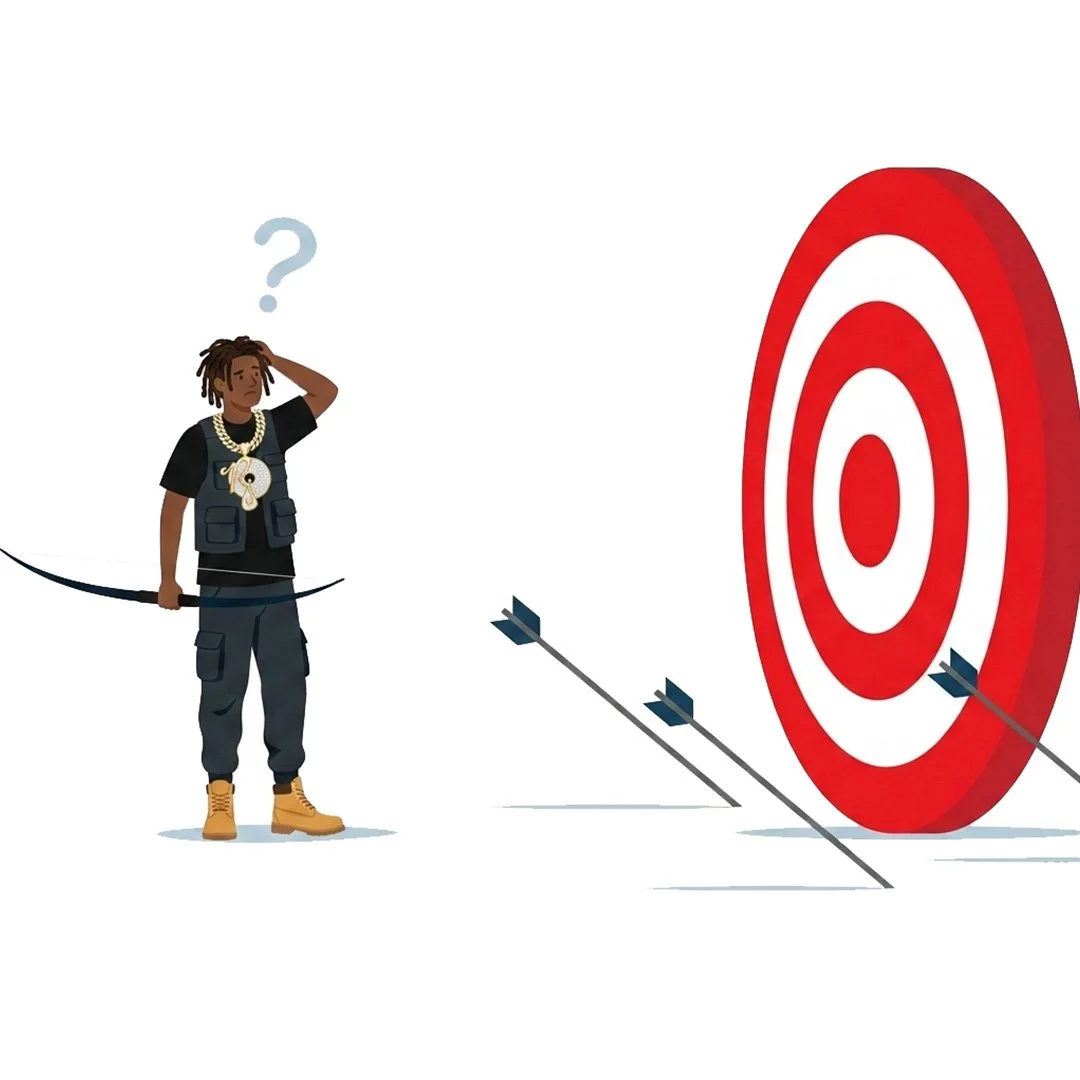
Jay-Z recently partnered with Target on an exclusive vinyl release and promotional campaign for the 30th anniversary of Reasonable Doubt. Under normal circumstances, this would have been a fairly straightforward story where one of the greatest entrepreneurs in hip-hop collaborates with one of the largest retailers in America to create an exclusive product for fans. End of story.
Except, this isn't a normal circumstance.
Target remains under scrutiny and boycott from many Black consumers following its decision to roll back several DEI initiatives. As a result, what should have been a conversation about music, exclusivity, and fandom quickly became a conversation about values, symbolism, and cultural alignment.
Why It Feels Off
The discomfort here isn’t about Jay-Z doing business. That’s been his identity for decades. From music to liquor to tech, he’s built an empire by spotting and executing on opportunities.
What makes this different is who Jay-Z has positioned himself to be.
Few public figures have done more to champion Black entrepreneurship and economic empowerment on a global stage. That’s why this partnership feels less like a business move and more like a branding contradiction.
And in this case, the story many people are hearing isn't about an exclusive vinyl release. It's about one of the most influential Black businessmen in America choosing to align with a retailer currently being boycotted by many Black consumers.
The Bigger Issue: Owning the Optics
The underlying issue here is what happens when business strategy fails to account for cultural context.
One of the reasons Jay-Z has remained relevant for more than three decades is because he understands that people don't simply buy products. They buy what those products represent. The strongest brands are never just products or services. They are stories that consumers choose to participate in.
That storytelling transformed Jay-Z from rapper to businessman, businessman to mogul, and mogul to cultural institution. In many ways, his greatest business achievement wasn't building companies. It was building trust. Consumers came to understand what Jay-Z represented, and that consistency created credibility.
The challenge is that credibility comes with expectations.
Once your personal brand becomes a symbol, people stop evaluating your decisions purely through a business lens. They begin evaluating them through a symbolic one. Every partnership becomes part of a larger story about who you are and what you stand for.
That's why the Target partnership feels different because the deal comes off as tone deaf and feels disconnected between the pro-Black brand Jay-Z has built and the perception surrounding Target. Whether Mr. Carter likes it or not, Target’s reputation became inseparable from the promotion itself. As a result, audiences spent less time discussing the vinyl release and more time discussing what the partnership symbolized.
When the Story Overtakes the Strategy
There is an important lesson here for marketers, and it has very little to do with Jay-Z specifically.
Too often, organizations evaluate partnerships through a transactional lens. They look at audience reach, media value, distribution opportunities, and revenue potential. Those considerations matter, but they no longer tell the whole story. In today's marketplace, consumers are just as interested in the meaning behind a partnership as they are in the partnership itself.
The question is no longer, "Will this partnership help us reach more people?" The question has become, "What conversation are we entering by making this partnership?"
Consumers today are highly attuned to context. They understand that brands operate within larger cultural ecosystems, and they evaluate decisions accordingly. Every partnership communicates values, priorities, and affiliations, whether a company intends it to or not.
That friction is precisely what happened here. Instead of amplifying the product, the partnership amplified existing concerns surrounding the retailer. Instead of creating clarity, it created debate. Instead of focusing attention on the release itself, it redirected attention toward a broader cultural conversation.
Because when consumers spend more time talking about the optics than the offering, the narrative has overtaken the strategy.
Final Thoughts
This isn’t about saying Jay-Z shouldn’t pursue opportunities. However, this is about being selective with partnerships and how said partnerships will be viewed in the court of public opinion.
Jay-Z has spent decades teaching the value of ownership—not just of assets, but of narrative. He’s shown that controlling the story can be just as important as controlling the business.
However, the cultural baggage attached to Target became part of this campaign immediately, and no level of execution could fully separate the two.
The question isn’t whether he can partner with Target. It’s whether he should have.
Because every partnership tells a story. And in this case, the story became more powerful than the product.
For someone who has built a career mastering narrative control, that’s a rare miss.
To flip one of his most iconic lines: He’s got 99 problems, but Target didn’t need to be one.
That Ain't It is a recurring editorial series from Dope Thinkers Only that examines decisions at the intersection of culture, brand, and business strategy. Not every miss is malicious. But every miss is worth the conversation.