
Soundtrack to Impact, Vol. 5: "They Don't Care About Us"
The Song
Artist(s): Michael Jackson
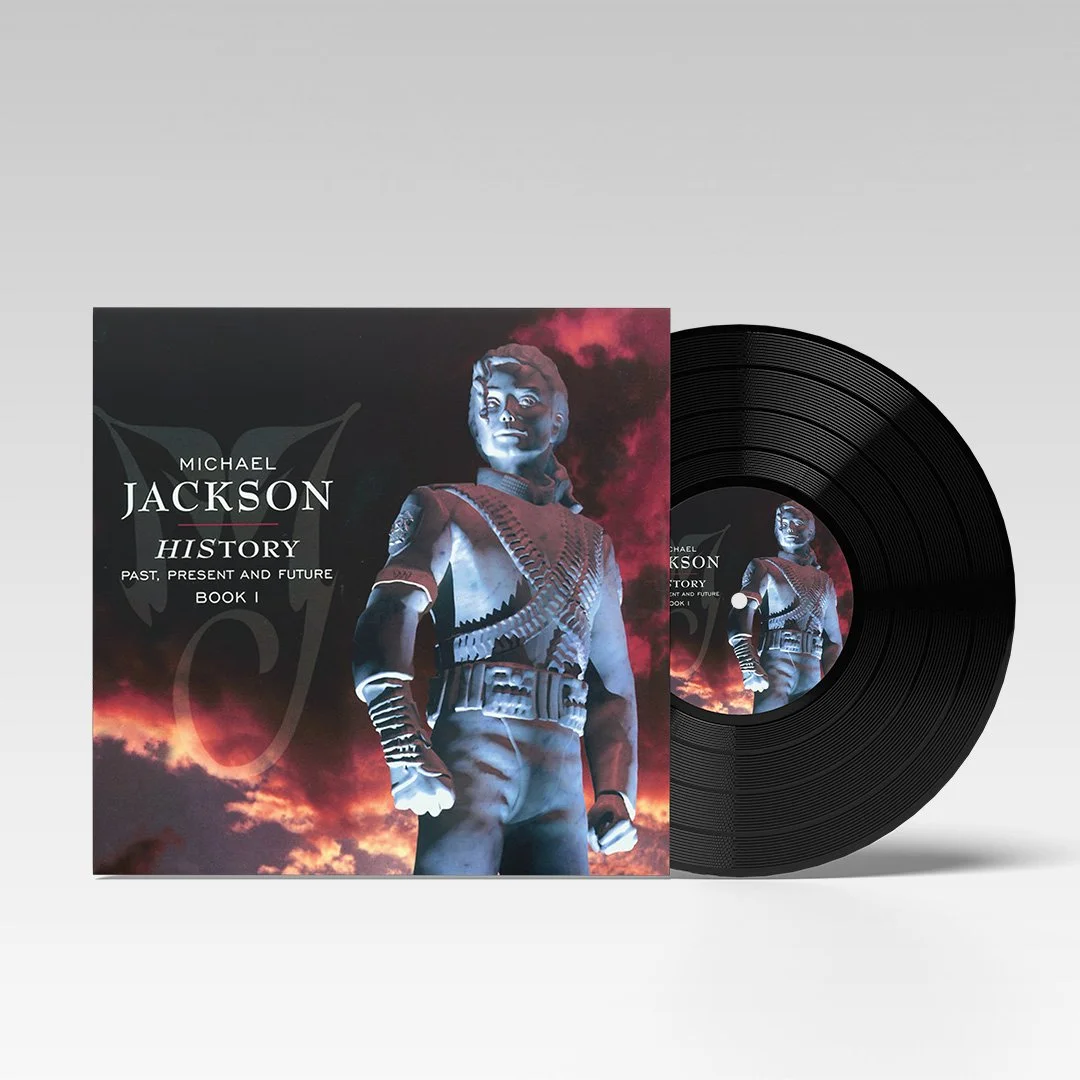
Release date: April 8, 1996 (UK); April 23, 1996 (US) — fourth single from HIStory: Past, Present and Future, Book I (1995)
The Story
Let's start with the part nobody puts on the greeting card version of this story: “They Don’t Care About Us” is not a comfortable song, and it was never supposed to be. Michael Jackson had been sitting on this one for years. It began as a demo in 1988, followed by a re-recording attempt during the Dangerous sessions before he finished the final version with teeth in it. He wanted a protest song. He got one, and well, then some.
Now, here's the part of the story that actually complicates things, the original lyrics included language, including a line widely reported to reference an ethnic slur, that drew immediate accusations of antisemitism from the Anti-Defamation League, the Simon Wiesenthal Center, and The New York Times. Jackson pushed back hard, insisting the song was about being a victim of prejudice, not a source of it, and that he was drawing on his own experience with people he loved who were Jewish.
Critics weren't convinced the intent excused the words, so Jackson eventually apologized publicly, re-recorded the disputed lines, and future pressings of the album carried a printed apology along with the altered lyrics. It's a messy footnote to a song about the world being unfair to people who can't get anyone to listen, which, depending on your mood, is either deeply ironic or exactly the point.
The Impact
Chart-wise, this one traveled. It hit the Top 10 in sixteen countries, proving the controversy that consumed the American conversation didn't define the song everywhere else. But the numbers were never really the headline. What makes this song's impact worth studying isn't where it charted. It's what it did after the charts stopped mattering.
Spike Lee shot two short films for the track, and both of them are doing more activism than most actual protest documentaries. One took Jackson to Pelourinho in Salvador and the Santa Marta favela in Rio de Janeiro due to alleged Brazilian government objections, because officials worried the footage would embarrass the country by broadcasting its poverty to the world. They lost that argument. The video has since passed a billion views. The other put Jackson inside an actual prison, cutting his performance against uncensored footage of Tiananmen Square, the L.A. riots, and civil unrest around the globe. It was too raw for daytime rotation and didn't even get a home video release until 2010, which tells you the gatekeepers understood exactly what they were looking at.
Then, in 2020, the song did something most 25-year-old singles never get the chance to do: it went back to work. Spike Lee recut the footage, splicing the original Brazil visuals with Black Lives Matter protest footage from the U.S., the U.K., South Africa, and beyond, and released it around what would have been Jackson's 62nd birthday. His reasoning was blunt: "Great protest songs can't get old, stale or non-relevant because the struggle still continues." Streaming data backs him up: the track reportedly spikes every time social or political upheaval hits, which means it's stopped being a song people revisit and has become a tool organizers reach for. It's been sung, played, and marched to at demonstrations well outside the moment it was written for.
That's a different kind of impact than a chart position. A No. 1 hit fades. A song people keep pulling back out because it still fits doesn't.
The Connection to Activism
Michael Jackson knew exactly which side this song was on: the marginalized, the surveilled, the disposable, and the people institutions look past. That was never in question. What's complicated is the song’s legacy because it was built to give voice to the oppressed. However, through its own choice of words, it wounded a group it never intended to. Real activism carries that risk. The people trying to say something urgent don't always say it perfectly, and pretending otherwise does a disservice to how messy this work actually is.
Here's the lesson underneath that discomfort: activism isn't a highlight reel of good intentions matched to flawless execution. It's Jackson getting the message right and the wording wrong, then apologizing and rerecording rather than digging in. It's Spike Lee refusing to let a song go quiet just because the news cycle moved on, then proving his own point five years later by re-cutting it for an entirely new generation of protest footage. It's a Brazilian government trying to keep a favela out of frame, and a director shooting there anyway, because the story doesn't work if you only show the postcard.
And it's the streaming data (aka the cold, unsentimental kind of proof) showing that a song written in 1995 keeps getting summoned back to work every time the thing it named happens again. That's the real difference between a protest song and a protest anthem. A protest song describes a moment. A protest anthem gets rehired.
Nearly thirty years later, "They Don't Care About Us" is still being rehired because the things it named were never actually fixed. That's not a comment on the song. That's an indictment of everything else. A protest song that ages perfectly is a receipt for a promise society never kept. The prisons still fill up, the footage still looks the same, and the powerless are still asking to be seen. This one still hurts because the world kept giving it reasons to.