
The Election Everyone Forgot Until Now
How Did We Get Here?
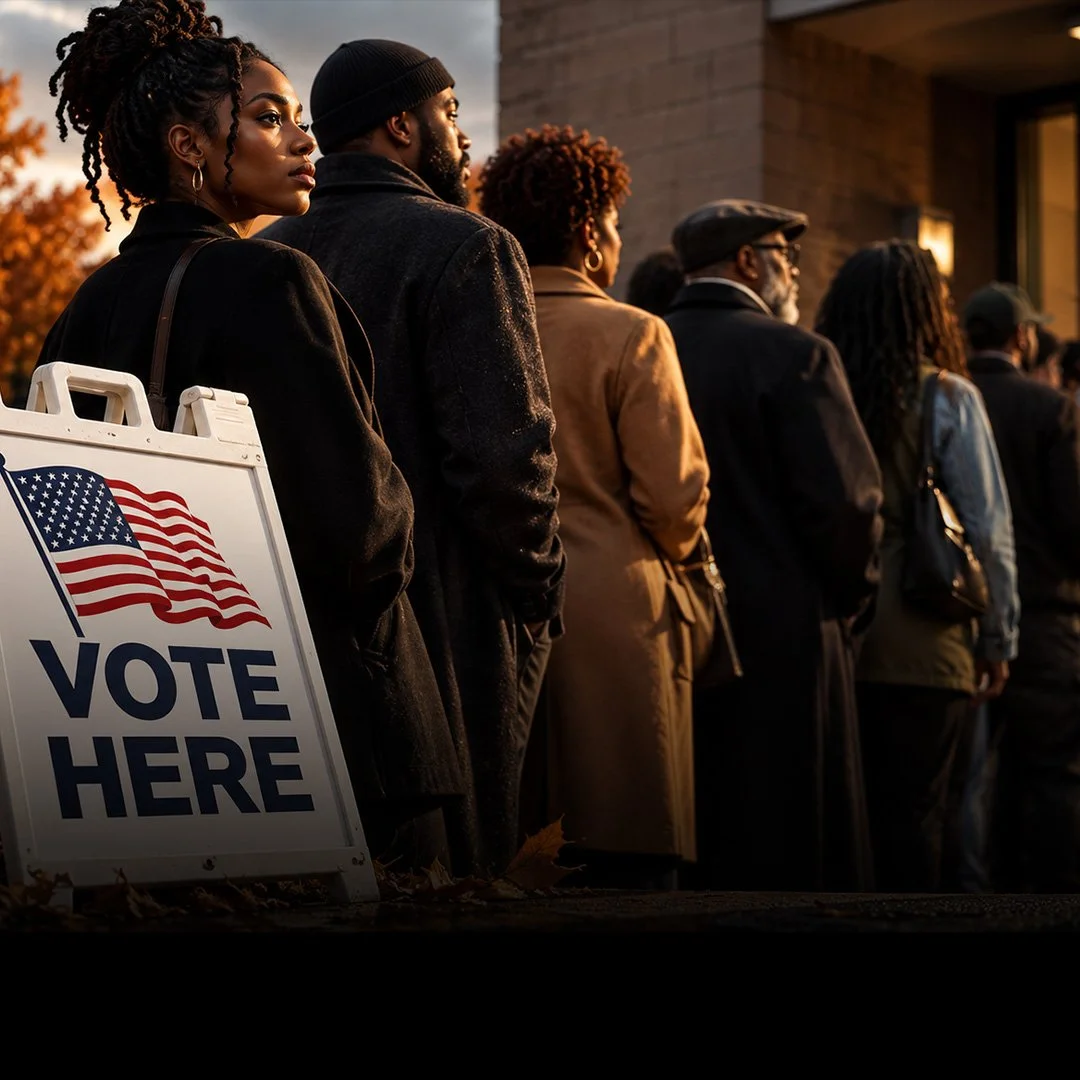
To say our country has changed rapidly over the past two years is an understatement. President Trump has released numerous executive actions, agency restructuring, budget proposals, voter redistricting, and regulatory changes. DEI has been slashed across the board, 300,000 black women have lost their jobs, and federal funding for global aid programs have been severed. Historic information has been wiped from the internet, global program funding has been slashed and many of these changes have had a devastating impact. Some Americans view these changes as necessary reforms that make the government smaller and more efficient. Others argue the reduced services, eliminated jobs, and barriers to access public information and government programs have made life more challenging. Regardless of where you stand politically, one thing is clear:
Government decisions affect everyday life.
From disaster response and infrastructure to education, public health, veterans' services, and scientific research, elected officials influence how taxpayer dollars are spent and which priorities receive attention.
That brings us to the question many voters are asking:
What exactly are the midterm elections, and why does everyone suddenly care about them?
What Are the Midterm Elections?
Midterm elections take place halfway through a president's four-year term.
Unlike presidential elections, voters are not choosing a president. Instead, they are choosing many of the people who will work with or provide oversight of the president during the second half of the administration.
In 2026, voters will elect:
Every member of the U.S. House of Representatives (435 seats)
About one-third of the U.S. Senate
Governors in many states
State legislators
Judges
School board members
County and city officials
Local ballot measures, depending on where you live
In other words, midterms shape far more than Congress.
Why Should Every Voter Care?
It can be easy to think presidential elections are the only ones that matter, but the decisions that affect daily life happen locally before we see that larger impact nationally.
It may feel like your vote won’t make a difference especially after the blow we felt during the last election but the fact remains, if your vote didn’t matter this administration wouldn’t be working so hard to undermine it.
This ballot will impact policy decisions around:
Funding decisions that impact HBCU’s
Housing and infrastructure
Healthcare costs and subsidies
Public transportation
Climate and environmental policy
School and special education funding
Local taxes
Parks and recreation
Public safety
These are decisions made at the local and state level, and these decisions go on to inform national policy.
Midterms Don't Just Change Washington
Your midterm vote can change your community, impact who sits on your school boards, decide educational priorities, determine how your city budgets are approved, and more. County commissioners, for example, oversee roads, emergency management, and local services. Do you know who your local county commissioner is? Now is a good time to find out.
State legislatures pass laws that affect things like healthcare, elections, education, and transportation. Do you feel there should be more or less healthcare coverage? Should your high schools keep an exit exam for graduating high school students? Is public transportation getting the appropriate funding or should it be reallocated? These are issues you get to weigh in on when you vote in midterm elections.
While national races dominate headlines, local offices often have the most immediate impact on everyday life.
How to Prepare Before Election Day
Voting doesn't begin on Election Day.
It begins with a plan.
1. Verify Your Registration
Registration deadlines vary by state. If you've recently moved, changed your name, or haven't voted in a while, check your registration well before your state's deadline. Many states also allow online registration or updates.
2. Learn What's on Your Ballot
Don't stop at the congressional races.
Research:
Candidates
Judicial races
Local offices
Ballot propositions
Constitutional amendments
Many of these races receive little national attention so you may need to visit city hall meetings, local rallies and meet and greets to understand the candidate’s position on policies that directly affect your community.
3. Vote Early If You Can
Early voting offers several advantages:
Shorter lines
More flexibility with work or school schedules
Time to resolve registration or identification issues before Election Day
Less stress if unexpected events arise
Early voting dates vary by state, so check your local election office for deadlines.
4. Know Where to Vote
Before Election Day:
Confirm your polling location.
Check identification requirements in your state.
Review absentee or mail ballot deadlines if you plan to vote by mail. Because election rules can change through legislation or court decisions, it's a good idea to verify the latest information with your state's election office.
5. Bring a Friend
Findings from the Poverty Action Lab suggests that people are more likely to vote when they make a plan with someone else. Kinder Institute for Urban Research
Turn voting into something you do together.
The Bottom Line
So...If you are frustrated by where we are and wondering how did we get here?
We arrived here through elections, just like the one that’s coming up.
Every policy debated, every budget approved, every agency reorganized, and every law enacted traces back to people elected to public office by voters just like you.
The 2026 midterm elections won't simply determine who holds office.
They'll help shape what comes next.
Your vote is your voice.
Knowing how to use it is the first step.