
The Brand vs. The Balance Sheet
What Floyd Mayweather Can Teach Every Brand About Brand Debt
Every brand makes a promise.
Apple promises simplicity. Nike promises performance. Rolex promises prestige. Whether you’re a Fortune 500 company or a one-person business, your brand is ultimately an expectation you create in the minds of others.
The challenge is that expectations aren’t free.
For decades, marketers have celebrated Brand Equity. We talk about the value a strong brand creates, the premium it commands, and the loyalty it earns. Far less attention is paid to its counterpart: the operational cost of maintaining that perception once customers begin expecting it.
We’ll call this Brand Debt.
Brand Debt is the ongoing operational cost required to maintain a public perception after that perception becomes an expectation.
It’s a concept that’s easy to overlook because it rarely appears on a balance sheet. Yet every business, founder, creator, and executive pays it in one form or another. Sometimes that investment strengthens the brand. Other times, it quietly becomes one of the organization’s greatest liabilities.
Few people illustrate that tension more clearly than Floyd Mayweather Jr..
Floyd Mayweather Was Never Selling Boxing
In recent months, headlines surrounding Mayweather have focused on lawsuits, tax liens, high-interest loans, foreclosures, and speculation about his financial health. Predictably, the internet has reduced a complicated business story to a simple question: is Floyd Mayweather broke?
Whether he’s financially healthy is something only he, his advisors, and perhaps the IRS truly know, and speculating about someone else’s finances offers little strategic value. A far more interesting question is this: what happens when the brand you’ve built becomes increasingly expensive to maintain?
Because Floyd Mayweather’s business was never just boxing. His business was Money Mayweather. That distinction matters.
Inside the ring, Mayweather established himself as one of the greatest defensive fighters the sport has ever seen. Outside of it, he created one of the most recognizable personal brands in modern sports.
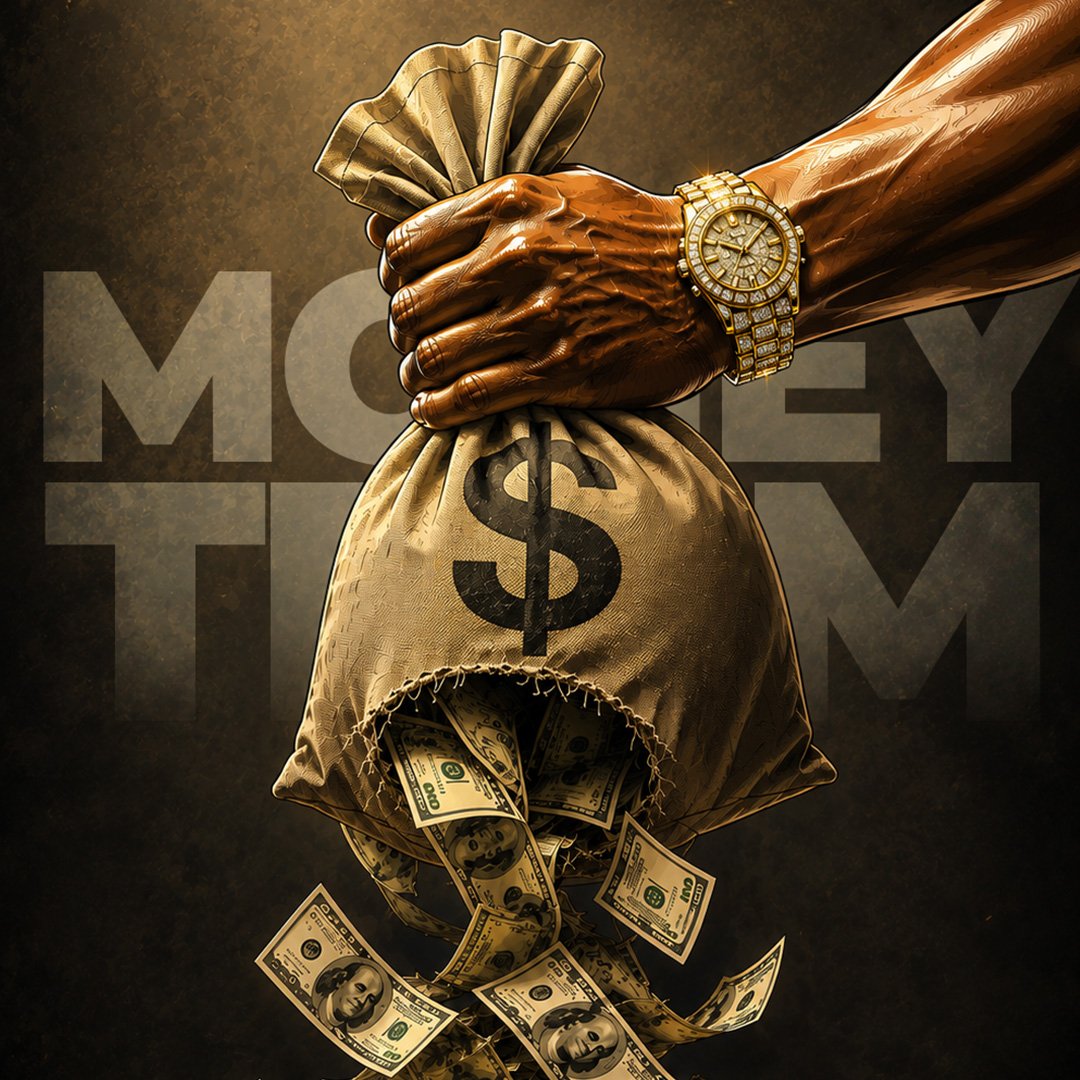
Stacks of cash spread across hotel beds. Private jets waiting on the tarmac. Luxury automobiles. Diamond-encrusted watches. Stories about never wearing the same pair of underwear twice. A barber on permanent retainer.
Whether every story was entirely factual almost became irrelevant. Collectively, they reinforced a single message: money wasn’t something Floyd Mayweather had. It was who he was.
From a branding perspective, it was brilliant. Consistency creates memorability. Memorability creates differentiation. Differentiation creates pricing power.
Fans weren’t simply purchasing pay-per-view events to watch an elite boxer. They were buying into a larger-than-life character. Sponsors weren’t associating themselves with championship belts alone. They were aligning with aspiration, exclusivity, and excess.
“Money Mayweather” wasn’t merely a nickname. It was intellectual property. And like any valuable asset, it generated tremendous Brand Equity.
Every Brand Has a Maintenance Bill
The problem with Brand Equity is that we often discuss what it creates while ignoring what it requires.
Strong brands don’t simply build trust. They build expectations. Customers begin expecting a certain experience. Partners expect a certain standard. The media expects a certain narrative. Over time, those expectations stop feeling aspirational and begin feeling contractual.
That’s where Brand Debt begins accumulating.
Apple can’t afford a sloppy product launch because customers expect elegance and precision. Ferrari can’t compete on affordability without undermining exclusivity. A Ritz-Carlton can’t replace its concierge with self-checkout kiosks without weakening the premium experience guests have come to expect.
Those aren’t simply operational decisions. They’re recurring payments on Brand Debt, and the stronger the brand becomes, the more expensive those payments often become.
Most organizations gladly make those investments because the return justifies the cost. Problems arise when maintaining the promise begins consuming resources that could otherwise strengthen the business itself.
When the Persona Becomes Payroll
Viewed through a traditional financial lens, Floyd Mayweather’s lifestyle often sparks conversations about extravagance. Viewed through a branding lens, it tells a different story.
Every appearance, every purchase, every flex wasn’t an isolated expense. It was a recurring reinforcement of the same narrative, a reminder that “Money” wasn't a marketing copy. It was a lifestyle.
Consumers don’t simply buy products. They buy stories. And Floyd’s story was one of limitless abundance. That story created extraordinary value. It elevated his negotiating power, expanded his commercial appeal, and transformed his identity into an enterprise that extended far beyond boxing.
But stories create expectations. Once audiences associate your identity with excess, moderation begins to look like decline. Once they expect private jets, commercial flights invite speculation. Once your brand becomes synonymous with limitless wealth, every public decision is interpreted through that lens.
In other words, the persona begins making demands of the person.
That’s the moment every founder, executive, creator, and entrepreneur should pay attention.
Because Brand Debt isn’t unique to celebrities. It’s the startup founder leasing premium office space because “successful companies have headquarters.” It’s the consultant flying first class to preserve an image of expertise. It’s the creator who feels pressured to perform success instead of building sustainable success.
None of those decisions are inherently wrong. The question is whether they’re still strategic. Because every dollar spent preserving yesterday’s perception is a dollar that can’t be invested in tomorrow’s business.
And eventually, every brand reaches a point where perception and operations must reconcile. That reconciliation is where the real challenge begins, and it starts with understanding the two truths every brand is actually built on.
Brand Truth vs. Operational Truth
Every successful brand operates on two realities.
The first is Brand Truth: the story customers believe. It’s the narrative a company intentionally creates through its messaging, customer experience, reputation, and positioning. It’s the reason someone chooses Apple over another smartphone, Patagonia over another outdoor brand, or Rolex over another luxury watch.
Then there’s Operational Truth: what happens behind the curtain. Cash flow, payroll, taxes, vendor payments, legal obligations, liquidity. It’s the operational engine that allows the brand to keep its promises.
Healthy organizations work relentlessly to keep these two truths aligned. The story they tell reflects the business they’ve built, and the business they’ve built can support the story they tell. Problems arise when those two truths begin drifting apart.
The Cost of Narrative Drift
Brands are living systems. Markets evolve, consumers change, economic conditions fluctuate. The strongest organizations understand this and evolve before the market forces them to. Netflix transitioned from DVD rentals to streaming.
Microsoft reinvented itself around cloud computing. Even luxury brands continuously redefine what exclusivity means for new generations of customers. Their identities evolved because their businesses evolved.
Personal brands often face a different challenge. Unlike corporations, people become emotionally attached to the identities they’ve spent years building. Audiences reward consistency, and over time, consistency can become rigidity. The narrative that once fueled growth becomes the narrative leaders feel obligated to protect.
This is where Narrative Drift begins: a brand’s public story remains fixed while its operational reality changes beneath it. The audience continues consuming yesterday’s narrative while today’s business is solving entirely different problems.
Every organization eventually reaches a moment where operations evolve faster than perception. Some brands adapt. Others continue investing enormous resources preserving a version of themselves that no longer reflects where the business actually is. That decision carries a cost.
What Every Marketer Should Learn
This is why Mayweather’s story extends far beyond sports. Every marketer should periodically ask themselves a difficult question: what parts of my brand am I still paying for simply because my audience expects them?
Maybe it’s the impressive office space that no longer serves the business. The oversized conference booth that generates prestige but little pipeline. The premium aesthetic that costs more to maintain than it returns. The oversized team built to project growth instead of enable it.
Or perhaps it’s something less visible. Maybe you’ve become so attached to being “the marketer who does everything” that you’ve unintentionally become the bottleneck. Maybe you’re maintaining products, services, or messaging that no longer reflect where your organization is headed because you’re afraid customers won’t recognize the new version.
None of these decisions are inherently wrong. But they deserve examination. Because Brand Debt rarely appears overnight. It accumulates quietly through hundreds of decisions that stop being questioned because they’ve become “the way we’ve always done things.”
Ironically, the brands we admire most aren’t the ones that remain unchanged. They’re the ones that understand precisely when evolution becomes more valuable than familiarity.
The Balance Sheet Doesn’t Care About the Narrative
One of the biggest misconceptions in branding is that perception alone creates value. It doesn’t. Perception creates opportunity. Operations determine whether you can sustain it.
A compelling brand can command premium pricing, attract partnerships, and build remarkable customer loyalty. But none of those advantages exempt a business from the realities of operational discipline. Cash flow still matters. Margins still matter. Financial flexibility still matters. The market may reward perception. The balance sheet rewards reality.
Eventually, every organization encounters a moment when those two worlds collide, whether during a downturn, after rapid growth, during a leadership transition, or simply with the passage of time. Whatever the catalyst, leaders eventually face the same question: are we still investing in our brand, or are we financing an expectation?
There’s a meaningful difference. Strategic brand investments strengthen the business. Financing expectations often means preserving optics long after they’ve stopped producing meaningful returns.
That’s where Brand Debt quietly compounds, not because the brand was built incorrectly, but because it was never recalibrated.
Final Thoughts
For years, marketers have taught organizations how to build Brand Equity. Perhaps it’s time we spend just as much energy helping them identify Brand Debt.
The healthiest brands aren’t necessarily the loudest, the flashiest, or the most admired. They’re the ones that continually reconcile perception with reality, understanding that every promise carries a cost, every expectation requires maintenance, and every narrative deserves periodic review.
The objective isn’t to abandon the brand you’ve built. It’s to ensure your business still has the capacity to support it. So before your next product launch, marketing campaign, or annual planning session, ask yourself one question: what is our brand quietly costing our operations?
Building an iconic brand is only half the challenge. The harder work is ensuring the business behind it evolves with it.