
Students Are Building Personal Brands Before They Graduate — Should Universities Be Teaching This?
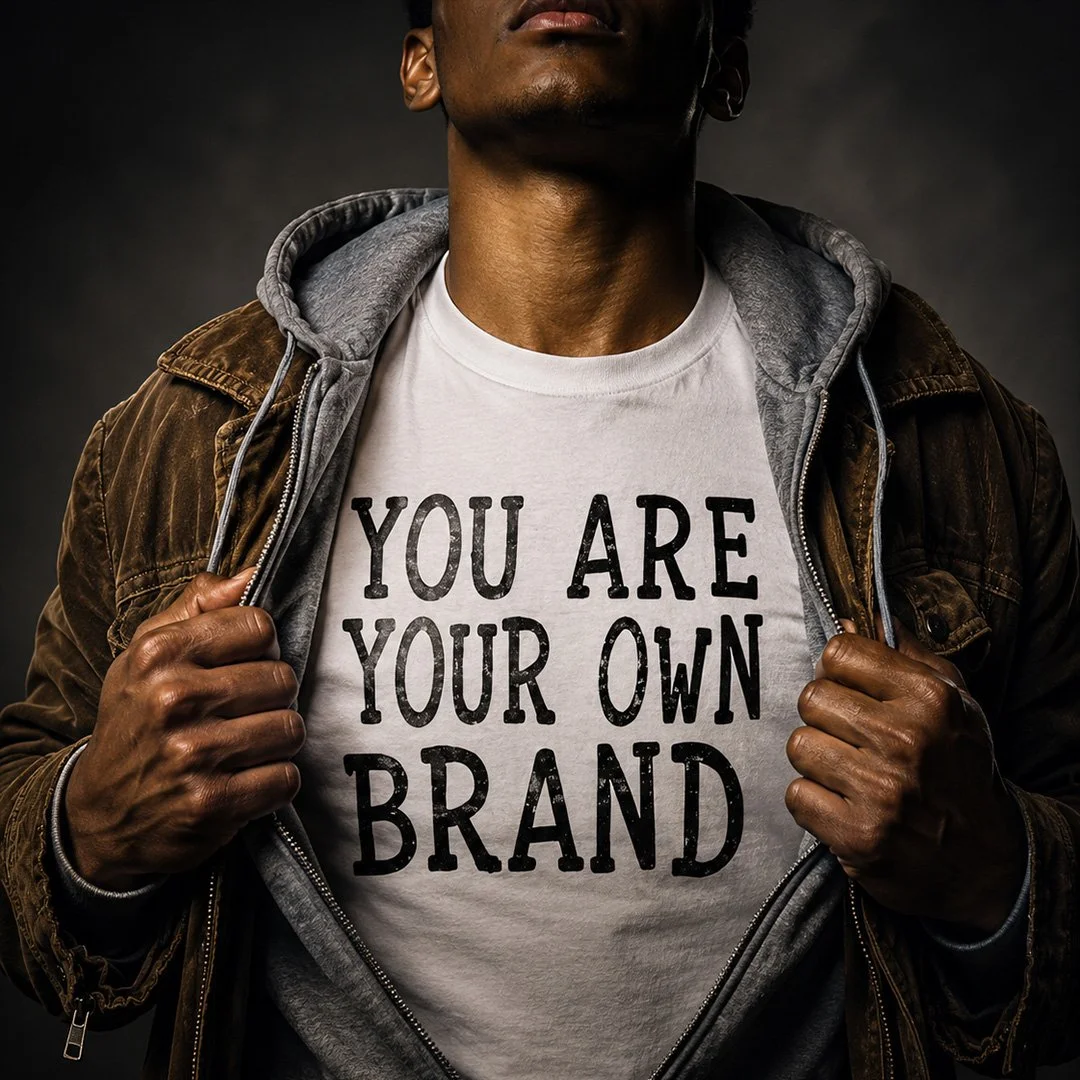
Every student leaves college with more than a degree. Some leave with lifelong friendships. Some leave with confidence.
But every student leaves with something else:
A personal brand.
The interesting part is that, as a student myself, most never realize they're building one. Not through one dramatic moment, but through a thousand ordinary ones. How they communicate, who they choose to spend time with, the opportunities they pursue, the responsibilities they accept, and the way they respond when things don’t go as planned.
Because sometimes the smallest moments say the most about you.
The Class Colleges Forgot to Teach
Colleges do a great job preparing students to do the work. They teach marketing, finance, engineering, nursing, psychology, and countless other disciplines. They teach students how to interview, network, write résumés, and present themselves professionally. Those skills matter, but they aren’t the whole education.
A December 2023 Deloitte survey found that 57% of US hiring organizations said recent college graduates lacked the professionalism required for the job, not a technical skills gap, but a reputational one. Those aren't just workplace skills. They're the qualities that shape a person's reputation before graduation ever happens.
Related research from Deloitte, AACSB, and Quinnipiac University's School of Business points to the same underlying issue. Employers increasingly value what they call "durable skills," including adaptability, critical thinking, and the ability to navigate ambiguity, over any single technical credential.
Every campus has two classrooms. There's the one students walk into every morning, and the one they experience every day: the classroom of leadership, relationships, character, and consistency. No syllabus exists for it, yet it's often the one that shapes a student's future the most. You might forget the answer to an exam question from two years ago. You won't forget the person who always showed up when something needed to get done.
You Don’t Need Followers to Have a Brand
A personal brand isn’t reserved for influencers or entrepreneurs. It’s the impression people form of you after interacting with you over time. It’s why one student becomes known as dependable while another becomes known for missing assignments. Ask around any campus and you'll hear the same names come up: the one everyone wants on their group project, and the one everyone quietly avoids.
The goal isn’t to invent a new version of yourself. It’s to become intentional about the one you’re already becoming.
Universities already understand this, they just apply to everyone but the student.
They feature student ambassadors on admissions tours, celebrate campus leaders, spotlight alumni success stories, and hire professors whose credibility strengthens the institution’s own reputation. Schools know exactly how powerful a person representing a brand can be. They just rarely teach students how to intentionally build their own.
What Universities Are Missing
For a lot of students, college is the first place they’re expected to define who they are beyond academics.
Career fairs, internships, student organizations, and leadership roles all give students the raw material. But few institutions explain how each of those experiences adds up to something bigger than a résumé line.
The internship isn't just LinkedIn experience. The student organization isn't just a bullet point. The professor you built a relationship with isn't just someone who gave you a grade. Every room you walk into hands you another piece of the puzzle, and over time, those pieces form the picture people carry of you before your name even comes up in a room you're not in.
The Degree Isn’t the Only Thing You Graduate With
Universities might not need a required course called “Personal Branding.” But they can be intentional about naming this to students early, through freshman orientation, leadership programs, career services, or internship debriefs, rather than leaving it as something students only discover in hindsight. Imagine if a career-services checkpoint asked not just "what's on your résumé" but "what have people started saying about you when you're not in the room." Preparing students for life after college isn't just about teaching them how to get a job, it's about helping them understand how they're perceived before they even apply for one.
Every student graduates with a degree. They also graduate with a personal brand.
The question isn't whether they'll leave with one. It's whether they spent four years building it on purpose, or found out only after someone else had already defined it for them.
The lesson was never missing from the curriculum. It was just never assigned.