She Hashtagged Her Way to a Movement
Allie Tsahey didn't wait for the infrastructure. She became it.
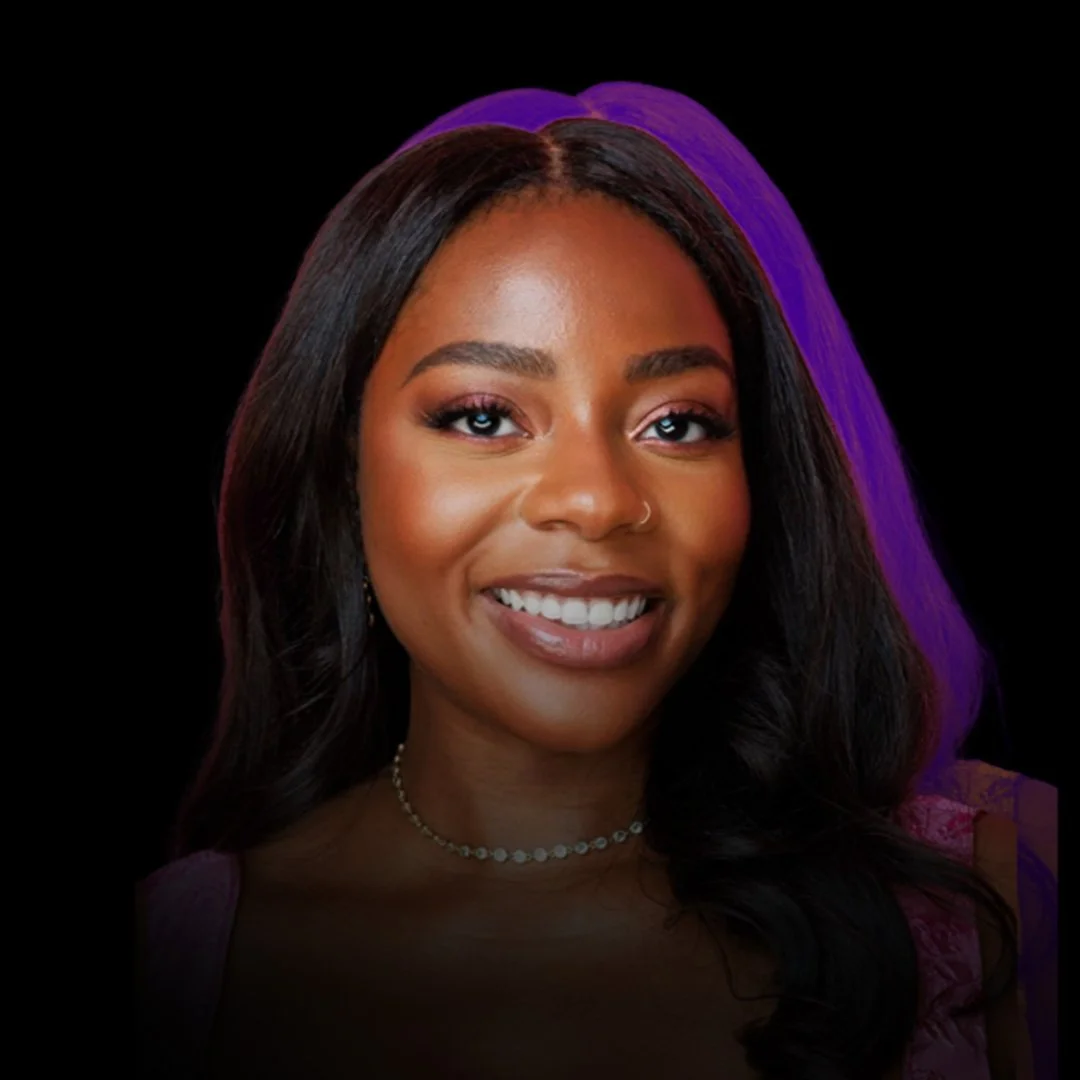
On her 22nd birthday, Allie Tsahey took a selfie at work and typed a hashtag that didn't exist yet. She clicked on it anyway, expecting to find her people but instead found an empty feed. Zero posts. Nothing.
Most people would've kept scrolling to join an established trend.
Allie saw a gap and decided to fill it.
"I just decided that I would make it a thing," she says. "I was really looking for my people."
That hashtag was #BaddiesInTech. What started as a birthday-week declaration of self is now the largest community for Black and brown women in tech, globally. And Allie Tsahey, a Ghanaian-American immigrant, Syracuse University biology grad, and 2026 Dope Thinkers to Watch honoree, is still just getting started.
The Problem She Couldn't Outsource
Fresh out of Syracuse with a biology degree, Allie landed her first role at an AI health tech startup. She was the youngest person in the room and the only Black woman, navigating a landscape nobody had explained to her.
"I needed a peer, a mentor, a sponsor," she says. "Someone to help guide my career because I didn't really understand the ecosystem of tech."
So when a client on a work trip looked at her, half-amazed, half-confused, and asked, "Who are you, and how did you get this job?" she didn't just accept the compliment. She sat with the question underneath it.
Why are there so few of us here? And why is no one doing anything about it?
When she clicked the hashtag and found nothing, something clicked in her too. "The feeling that I have right now, all Black women in tech deserve to feel that," she says. "They deserve to walk in their fullness, to be great at their job, to be recognized for how they move in these spaces, and still be able to have their birthday wig on and feel beautiful."
From that singular moment, Baddies in Tech was born.
Action Is the Whole Strategy
Allie's operating philosophy is a relentless, unapologetic bias for action. She doesn't wait for permission or resources. She moves on what's in front of her and figures out the rest along the way.
She traces this back to a Black Panther premiere she organized in college. No blueprint, no real budget. Tickets went on sale Monday. By Tuesday night, she'd sold 1,200 and rented out a wing of the largest mall in New York City.
She quotes Dr. King to explain her compass: You don't have to see the whole staircase. Just take the first step.
"Because on that first or second step, you'll meet someone, your knowledge will open up, you'll find a new resource," she says. "It ends up working out most of the time when you just start."
This isn't recklessness. It's trust in God, in the process, and in herself.
A Faith Walk in Real Time
In the early days of Baddies in Tech, before revenue streams and before sponsors, her team was planning their first conference in New York. The venue: $16,000. What was in the bank: $2,000. Her team looked to her to confirm whether going forward was the best decision. She told them she'd pray about it.
That Sunday, her worship leader paused mid-service and said: There's someone here at a crossroads. God wants to tell you: move forward. You will prevail.
"I told the team: we're doing it. God is going to make a way." He did.
"I know it's not me who's working," she says. "It's God working through me. And because of that, I know I have a responsibility to steward this well."
Redefining Who Tech Is For
Allie dismantles one of tech's most persistent myths: that you have to be an engineer to belong there. To make this tangible, she developed the Five Value Drivers in Technology — a framework mapping how tech companies actually function across Product, Customer & Sales, People, Infrastructure, and Leadership & Operations.
"You're in tech if you're helping a tech company drive their mission," she says. "Lean on your strengths. Pivot from there."
It's also why, as corporations quietly roll back DEI commitments and ERGs disappear, Baddies in Tech has become something the market failed to provide: community as infrastructure. Spark Chats connect members with technologists from NASDAQ, Meta, and Citibank. The woman who feels like the only one in the room now has a room of her own.
Why She's a Dope Thinker
Dope Thinkers don't just identify problems, they build the infrastructure to solve them. Allie Tsahey is 29 years old, and she has already done exactly that: turned a birthday hashtag into the largest community for Black and brown women in tech globally, launched BaddieCon from $2,000 and a word from God, reframed who belongs in tech with a framework she built from lived experience, and filled a gap that corporations created when they retreated from their own diversity commitments.
She didn't theorize about the problem. She didn't wait for permission or funding or the right moment. She typed a hashtag, threw a premiere, moved on faith, and built something real.
That's not hustle culture. That's what it looks like when someone thinks deeply, acts boldly, and refuses to let a gap stay empty just because nobody handed them a blueprint. That's a Dope Thinker.
Allie Tsahey is the Founder and CEO of Baddies in Tech. Learn more at baddiesintech.com.