
When a Moment Goes Wrong: Tourette’s, Responsibility, and a Missed Opportunity at the BAFTAs
The 2026 BAFTA Awards didn’t just have an awkward moment—they had a moment that forced people to choose what matters more: intent or impact. For context, in case you missed it, a white man shouted a racial slur at two Black men on stage.
What complicated everything is that the man, John Davidson MBE, has Tourette’s syndrome. As Michael B. Jordan and Delroy Lindo stood presenting the award for Best Visual Effects, Davidson loudly shouted the “N-word” in their direction. Both actors held their composure. No escalation. No scene. Just professionalism in a moment that easily could’ve gone left.
Shortly after, Davidson left the ceremony, aware that something had gone wrong. But for viewers at home, another question lingered: Why did it air at all?
The BAFTAs broadcast the ceremony on a delay, which means there is time specifically built to catch and cut moments exactly like this. Award shows censor profanity, political rants, and/or anything deemed too disruptive. Yet this moment made it through untouched. That wasn’t inevitable. That was a decision. A decision that reeks of opportunistic social virality at the expense of Black viewers and the further embarrassment of the gentlemen initially targeted.
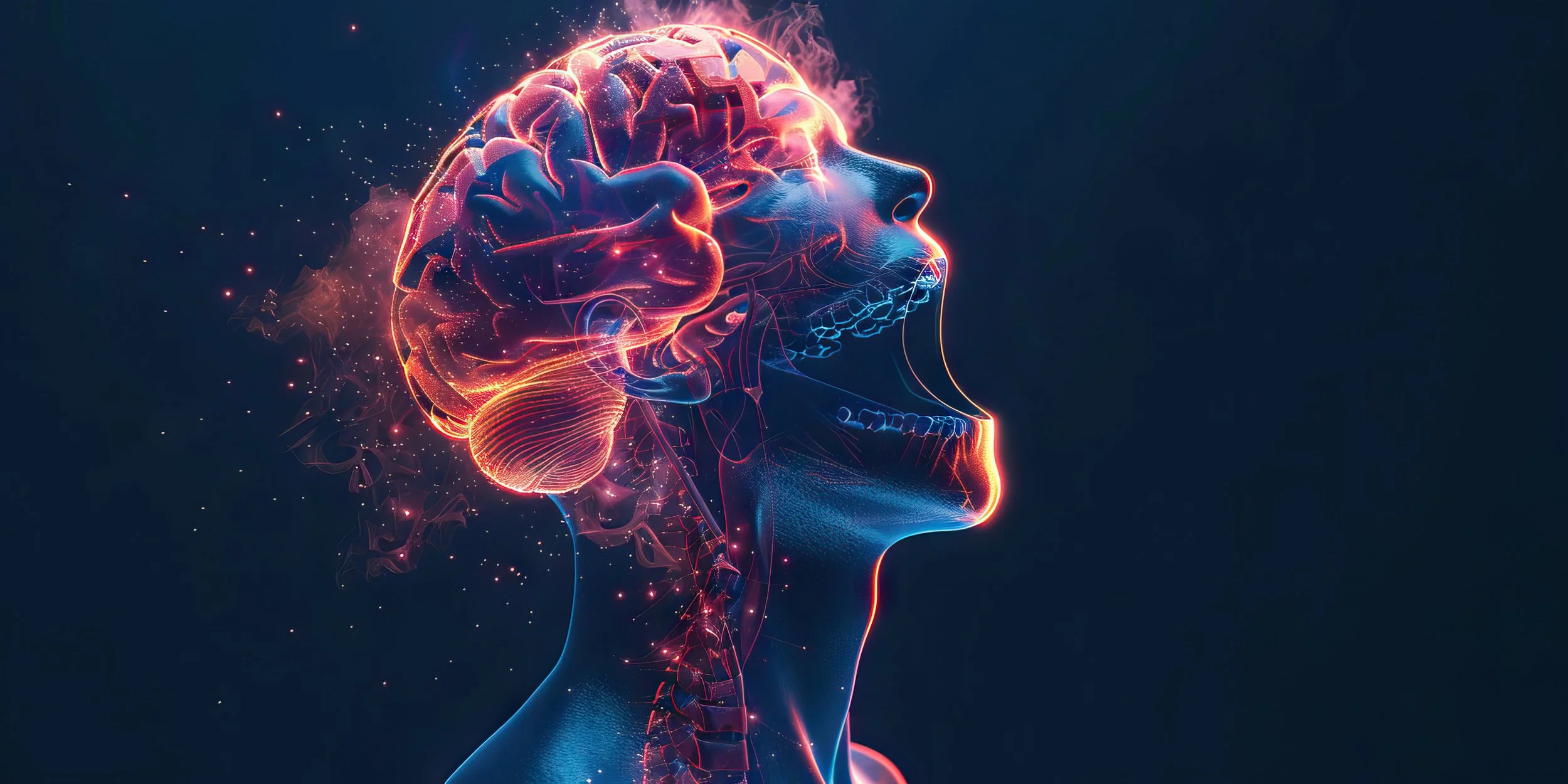
But, before anyone can make sense of that decision, they have to understand Tourette’s itself. According to the National Institute of Neurological Disorders and Stroke, Tourette’s syndrome is a neurological disorder that may cause sudden unwanted and uncontrolled rapid and repeated movements or vocal sounds called tics. Sometimes it’s blinking. Sometimes it’s a jerk of the neck. Sometimes it’s a sound or a word. In rare cases, it’s something called coprolalia: the involuntary utterance of socially inappropriate or offensive language.
Not thoughts slipping out. Not hidden beliefs revealing themselves. Neurological misfires.The brain fires. The word comes out. Not because he believes it. Not because he chose it.But, because sometimes the body betrays the man living inside it.
That distinction matters. However, let’s not pretend it resolves everything.
Tourette’s may explain the word, but it doesn’t erase what that word carries.
A racial slur doesn’t lose its weight just because it arrived involuntarily. The history is still there. The sting is still there. And for Black people watching, or standing on that stage, the impact doesn’t pause to ask whether it was intentional. That’s where the real tension lives. And it’s also where the response fell apart.
Initial reactions from both BAFTA and Davidson focused on clarifying that the moment wasn’t intentional, expressing frustration that people believed it was. But that response wasn’t merely a disrespectful shortfall, rather it wasted a moment that could’ve actually moved the conversation forward.
John Davidson isn’t just a man with Tourette’s. He’s an activist. A public advocate. A man honored with an MBE for raising awareness about the condition. At the ceremony, he wasn’t just attending—his biopic, I Swear, was being recognized with two awards.
That context matters.
When you carry that kind of platform, moments like this stop being private. They become a form of responsibility, whether you asked for it or not.
And this was one of those moments.
A stronger response could’ve done something simple but powerful: acknowledge the harm, even without intent. Apologize for the impact. Then use the moment to educate—not just about Tourette’s, but about how different forms of marginalization collide in real time.
Because here’s the uncomfortable truth: A brain can only pull from what the world has already put inside it.
So if a racial slur shows up as a tic, that’s not just neurology. That’s culture.
The same world that stigmatizes people with Tourette’s is the same world that built and normalized language meant to dehumanize Black people. Those realities don’t exist separately. They overlap. And that overlap is where a Dope Thinker shows up.
Not to excuse or condemn, but to transform.
A Dope Thinker takes a moment like this and stretches it into something bigger than the mistake itself. They acknowledge the pain without flattening the person. They hold two truths at once: that harm can be real even when intent is absent and that understanding doesn’t require erasure.
That’s leadership.
This could’ve been a moment to spotlight Black individuals living with Tourette’s. A moment to talk about how disability and race intersect—how misunderstanding compounds, how stigma multiplies, how people can be both marginalized and still capable of causing harm without intent.
That’s a complicated conversation, but it’s a necessary one. Instead, the moment got flattened into controversy. People picked sides, defended or condemned, explained or dismissed. Then, like most things, it moved on, and that’s a failure.
But, the moment didn’t fail just because it was uncomfortable. It failed because nobody chose to think deeply enough to do something meaningful with that discomfort. For BAFTA, at worst, it was repulsively opportunistic, at best, it didn’t seem to matter. Therein lies the difference, a Dope Thinker makes it matter.