
Her Comeback Song Is Working. Her Comeback Strategy Isn't: What I’d Tell Yung Miami As Her PR Manager
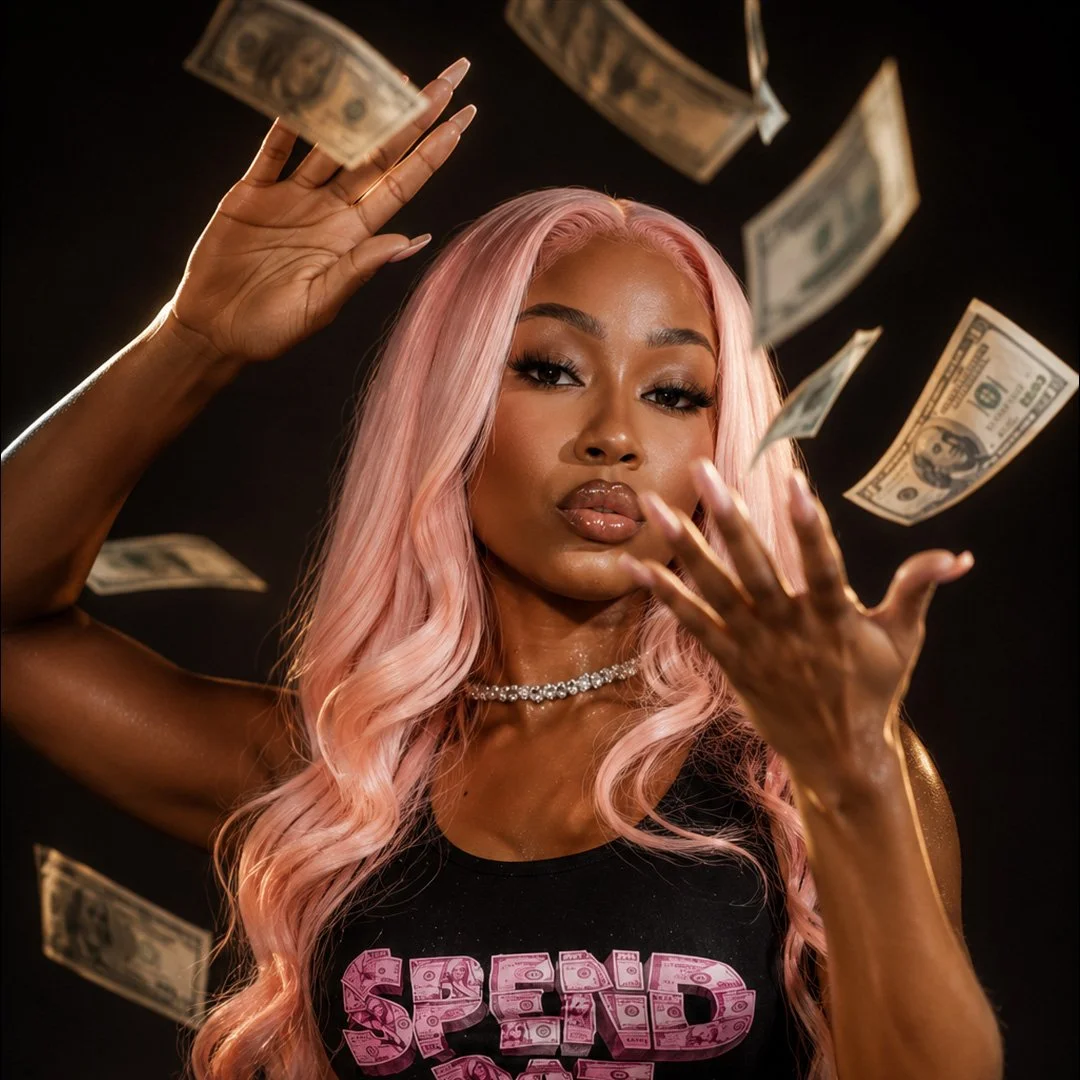
Yung Miami's "Spend Dat" is being called the anthem of Summer 2026 — No. 19 on the Billboard Hot 100, a full-crowd singalong when she hit the stage at the BET Awards. Young bosses, single moms, entrepreneurs, recent grads, and others are finding themselves in it. The song opens with a shoutout to "scammers" and "get-money" women, and the internet has largely responded the same way: get it however you can, and keep going.
But at what point does "it's just a song" stop covering for what we're actually celebrating?
Here's the tension no chart position can fix: streams aren't brand equity. "Spend Dat" will probably run the summer, dominating playlists clear through August, but a No. 1 record isn't a reputation strategy, and it was never going to be. It doesn't undo the trust she's lost with fans. It doesn't touch the associations her team still hasn't dealt with. Chart success and brand repair are not the same thing, and until her team treats them that way, a real comeback, one built on rebuilt trust, not viral reach, stays out of reach.
We Ain’t Forget: What “Spend Dat” is Really Promoting
While the song is the anthem for a certain kind of get-money hustle, people still aren’t quite able to look past who exactly is carrying the narrative. The praise Yung Miami is receiving for her new track is a reminder of why, for many, it isn’t as simple as separating the art from the artist. It’s important to build your brand through creating trust, not trends, and that’s the misstep she took at a time where her comeback was crucial.
Although their relationship has since ended publicly, Yung Miami’s last known public love interest, Sean “Diddy” Combs, is still reflecting badly on her brand image. She had already received backlash for her solidarity but when fans found out she wrote a letter in his defense amid abuse allegations, that alone was enough to put her character into question. She isn’t responsible for his actions, but she is responsible for how she showed up despite their severity. That distinction should be what her PR team should be building her comeback strategy around, not hoping people forget.
Yung Miami’s Team is Failing Her
Yung Miami’s reputational capital has been underwater since 2023, which should have been enough for her team to give this song a hard pass, at least for now.
With it all unfolding online, public perception was left to fill in the blanks. Fans finally had a reason to assign blame, and Young Miami took yet another hit. costing her not only fans but her relationship with consumers as well. The doubt had already been there, and the benefit was nowhere to be found.
Needless to say, Yung Miami’s brand equity definitely continued to sink, giving her very little footing as a solo artist. Her credibility was lost entirely and her image wasn’t even her own anymore. Her partner had been revealed as the central figure in one of the industry's most serious abuse scandals, and barely a year later she lost her best friend and business partner, JT — taking her cultural relevance down with it.
Because she didn't control the narrative then, this comeback needed to be about redirecting it now, not about climbing the charts. Yung Miami’s first move post-hot water should have been rooted in accountability rather than centered around a “quick fix” to climbing charts, and the way she dropped the ball will push her comeback farther than she can reach.
When your brand is already suffering commercially, you don’t lean into advertising scamming and promiscuity as a survival tactic— especially when the lack of credibility is specifically aligned to the public’s belief of you staying loyal to someone accused of sexual abuse, yet, seemingly, betraying your own best friend and business partner.
The Problem “Spend Dat” Can’t Dance Around
From a public relations perspective, simply put, Yung Miami and her team need to read the room. While the song, however, is on brand with her catalog — and I do realize we are talking about one half of City Girls here — the current themes of fraud and debauchery are exactly why some critics argue she reads less like a bystander and more like someone who benefited from proximity to Combs' world. A perception, fair or not, that this song does nothing to dispel.
Also, “on brand” and “on strategy” aren’t the same. Her team should be helping her dilute the perception that some have of her as complicit in Combs' world, not signing off on PR stunts that reinforce that association. After her stance with Diddy cost her deals, relationships, money, pride, and fans, “Spend Dat” was not the best look for her personal brand — and anything that is not helping your brand is simply in the way. Period.
This kind of miss only happens when release dates take priority over reputational repairs. It just has fans asking, “When you finally choose to say something, this is what you have to say?”
A Calculated Comeback
Her team's instincts weren't entirely wrong but the execution was. Yung Miami isn’t oblivious to the negative press by any means, so her decision of when, and where, she addresses the hate is clearly calculated, and rightfully so. Yung Miami appeared in an interview with The Breakfast Club in March just weeks prior to her “Spend Dat” release where she spoke on her personal growth, loyalty, Diddy support, her fallout with JT, new music, her podcast, and more.
She approached the interview deliberately, choosing a trusted, high-reach platform awarded both Best Pop Culture Podcast and Best Multicultural Podcast by iHeartRadio, as a strategic way to quietly reintroduce herself to mainstream media and strengthen an emotional connection with viewers by opening up about "her truth” before the single even dropped.
“I think that I should be able to express myself. I should be able to say my life experiences. I don’t feel like I should be silenced or that I shouldn’t speak on anything or that I should be scared…I just was in a relationship with somebody,” Yung Miami said in the interview with Charlamagne Tha God, after confirming that she references Combs in her work.
In 'Spend Dat,' she describes staying loyal to a wealthy, powerful partner despite his associations, language that reads as a continued nod to her relationship with Combs. She references him again in her unreleased snippet of “Caresha Tales” that she teased on platforms, this time casting him as an ultra-wealthy figure living in seclusion.
The direction her team is taking her isn’t all bad, to say the least. Her problem wasn’t that she took the interview, it was what she said when she got there. A pre-release interview is prime real estate for reframing a narrative, but instead of using it to draw a clear line between herself and Combs, she just used it to defend her right to act freely.
Downplaying the severity of her own actions while unwittingly ignoring their impact as a public figure is exactly why Yung Miami’s “Spend Dat” is a temporary bandage for the real damage and costs her reputation had to pay. She had a good platform with good timing, but her message left the real issue untouched.
Where Her Team Should Go From Here
If I were her PR manager, Yung Miami’s next moves would look nothing like “Spend Dat”. Her team had absolutely been conscious of Yung Miami’s public standing — the letter, the confidence in Combs, the JT fallout. They should be placing her in the closest proximity to the opposing narrative.
She should be involved in sex crime campaigns, aiding survivors of abuse, featuring their stories on her podcast, and overall just making it clear that she does not align with Combs or any of his actions. Her strategy should be committed to forming genuine bonds with her audience. Not as an isolated statement, but as a controlled, visible pattern that makes her morals unmistakable.
Every appearance, song, and interview should be evaluated in the context of one question: does this close the gap with the association with Combs or does it widen it?
Right now, “Spend Dat” is the latter and instead, she's relaying a rhetoric that objectifies women. A choice that, to many observers, reads as tone-deaf at best given her closeness to the allegations against Combs, and does little to counter the narrative that's followed her since.
What The Charts Leave Unmeasured
"Spend Dat" will likely top the charts through August, the song on repeat from the cookout to college move-in. But no hit record answers the question her comeback actually needs to: is she building trust, or just buying time?